Online retailers continue to lose significant revenue at the final stage of the buyer journey. This article breaks down the leading causes of cart abandonment and shows how product-level and campaign-level data insights can help you systematically identify patterns, optimize the checkout experience, and recover lost sales.
What is Cart Abandonment
Cart abandonment occurs when a potential customer adds items to their online shopping cart but leaves the website before completing the purchase. This phenomenon represents a critical leak in the ecommerce conversion funnel, where shoppers express clear buying intent but fail to follow through with the transaction.
Understanding cart abandonment goes beyond simply tracking the number of abandoned carts. It requires analyzing the entire customer journey—from the initial ad click through product browsing to the checkout process—to identify exactly where and why shoppers drop off.
Cart Abandonment benchmarks
Industry data consistently shows that the average cart abandonment rate hovers around 70%, meaning roughly seven out of ten shoppers who add items to their cart never complete the purchase. However, this rate varies significantly by industry:
- Fashion and apparel: 68-72%
- Electronics: 70-74%
- Travel and hospitality: 80-85%
- Mobile users: 85-90%
The significantly higher abandonment rate on mobile devices points to friction issues specific to smaller screens and mobile checkout experiences. As mobile traffic continues to grow, addressing these mobile-specific problems becomes increasingly important for reducing overall cart abandonment rates.
Main causes of Cart Abandonment
While shoppers abandon carts for numerous reasons, the primary causes consistently fall into three main categories: checkout friction, pricing and transparency issues, and traffic-to-product mismatch. Each of these areas can be systematically analyzed and improved using data insights.
Checkout friction
Checkout friction encompasses any obstacle that makes the purchase process more difficult or time-consuming than necessary. Common friction points include:
- Mandatory account creation before checkout
- Lengthy forms with too many required fields
- Limited payment options
- Confusing navigation or unclear next steps
- Slow page load times, especially on mobile
- Security concerns due to missing trust signals
By analyzing where users drop off during checkout, you can pinpoint specific friction points. Heatmaps, session recordings, and funnel analysis reveal which form fields cause hesitation and which steps have the highest exit rates.
Pricing and transparency issues
Unexpected costs remain the number one reason shoppers abandon their carts. When customers discover additional shipping fees, taxes, or handling charges only at checkout, they often feel deceived and leave immediately.
Key pricing-related abandonment triggers include:
- Shipping costs revealed late in the process
- Currency conversion surprises for international shoppers
- Discount codes that fail to apply correctly
- Price changes between the product page and cart
Transparent pricing throughout the shopping journey dramatically reduces these abandonment causes. Displaying estimated shipping costs on product pages and providing clear pricing breakdowns builds trust and sets accurate expectations.
Tip: Implement a shipping cost calculator on product pages that estimates delivery fees based on the visitor's location. This transparency reduces checkout surprises and can lower abandonment rates by 10-15%.
Traffic and product mismatch
Not all cart abandonment stems from checkout problems. Sometimes, the traffic you drive to your store simply is not aligned with what you are selling. This mismatch often occurs when ad campaigns promise something different from what users find on the landing page.
Common mismatch scenarios include:
- Ads promoting discounts that have expired
- Products shown in ads that are out of stock
- Pricing in ads that differs from actual product pages
- Targeting audiences who are not ready to buy
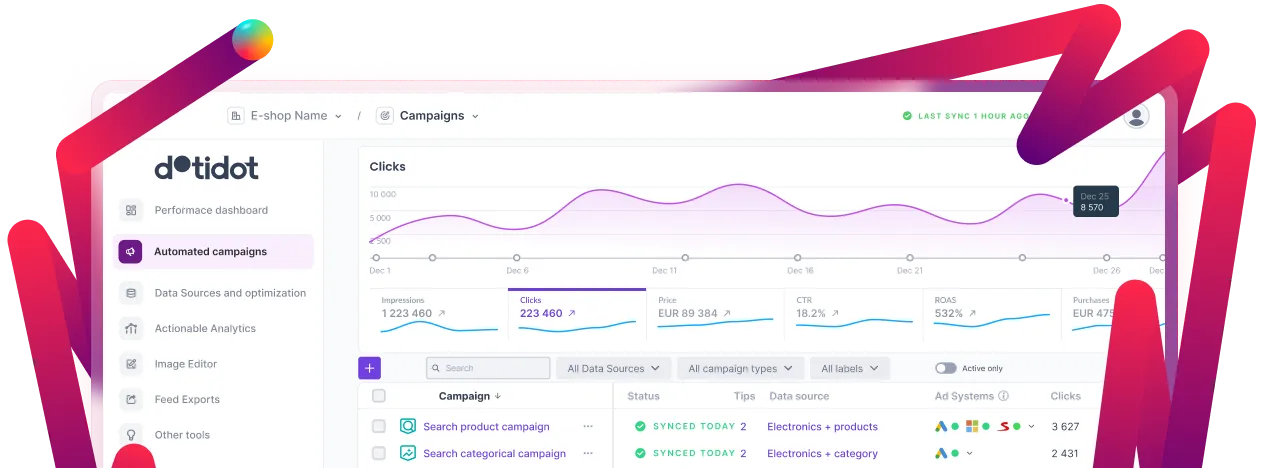
Proper product feed management ensures your ads always reflect accurate pricing, availability, and product information. When your ad content matches the landing page experience, visitors arrive with correct expectations and are more likely to complete their purchase.
Sign in with Google or Meta
Connect and select your Ad account
Paste URL to your product feed
Wait 2 minutes and report is done
Identifying abandonment patterns by product
Not all products experience the same abandonment rates. Some items naturally have higher abandonment due to their price point, complexity, or the consideration required before purchase. However, unusually high abandonment rates for specific products often signal fixable issues.
To identify problematic products, segment your cart abandonment data by:
- Product category
- Price range
- Traffic source
- Device type
Products with abandonment rates significantly above your store average deserve immediate attention. The issue might be unclear product descriptions, missing size guides, insufficient product images, or concerns about quality that are not addressed on the page.
Using product segmentation allows you to group products by performance metrics and identify which segments need optimization. You can then prioritize improvements for high-value products that frequently get abandoned.
Recovery strategies
Once you understand why shoppers abandon their carts, implementing recovery strategies helps recapture some of that lost revenue. Effective recovery combines automated outreach with personalized messaging.
Email recovery campaigns
Abandoned cart email sequences remain one of the most effective recovery tools. A well-structured sequence typically includes:
- First email (1-2 hours after abandonment): Gentle reminder of items left behind
- Second email (24 hours): Address potential concerns and highlight product benefits
- Third email (48-72 hours): Create urgency or offer an incentive
Personalization significantly improves recovery email performance. Include product images, names, and prices from the abandoned cart. Reference specific items rather than sending generic reminders.
Retargeting campaigns
Display and social media retargeting keeps your products visible to shoppers who left without purchasing. Dynamic retargeting ads showing the exact products abandoned typically outperform generic brand ads.
Segment your retargeting audiences based on cart value and how far they progressed through checkout. High-value cart abandoners who reached the payment page deserve more aggressive retargeting and potentially exclusive offers.
Tip: Set frequency caps on your retargeting campaigns to avoid annoying potential customers. Three to five impressions per day is typically the sweet spot—enough to stay top-of-mind without feeling intrusive.
Preventive optimization
While recovery strategies help recapture some lost sales, preventing abandonment in the first place yields better results. Preventive optimization focuses on removing friction before it causes shoppers to leave.
- Streamline the checkout process: Reduce the number of steps and form fields required to complete a purchase. Offer guest checkout prominently. Implement autofill where possible and use smart form validation that guides users rather than frustrating them.
- Build trust throughout the journey: Display security badges, customer reviews, and clear return policies throughout the shopping experience—not just at checkout. Shoppers who feel confident in your store are more likely to complete their purchase.
- Optimize for mobile: Given the significantly higher abandonment rates on mobile devices, prioritize mobile optimization. Ensure buttons are easily tappable, forms are mobile-friendly, and page load times remain fast on cellular connections.
- Ensure Ad-to-page consistency: Audit your advertising campaigns to ensure they accurately represent your products, pricing, and promotions. Use dynamic ads that pull real-time data from your product feeds to guarantee accuracy and prevent mismatched expectations.
Conclusion
Reducing cart abandonment requires a data-driven approach that examines the entire customer journey. By understanding the specific causes—checkout friction, pricing surprises, and traffic mismatches—you can implement targeted solutions rather than generic fixes. Product-level analysis reveals which items need attention, while campaign-level insights ensure you attract the right visitors with accurate expectations. Combine prevent