PPC Signals: Performance marketing updates – November 2025
Stay up to date with the latest PPC and performance marketing updates from Google, Meta, Microsoft, and more. Explore key ad platform changes, new features, and strategic insights for November 2025.
Marek Turnhofer
February 9, 2026
Show table of contents
Google
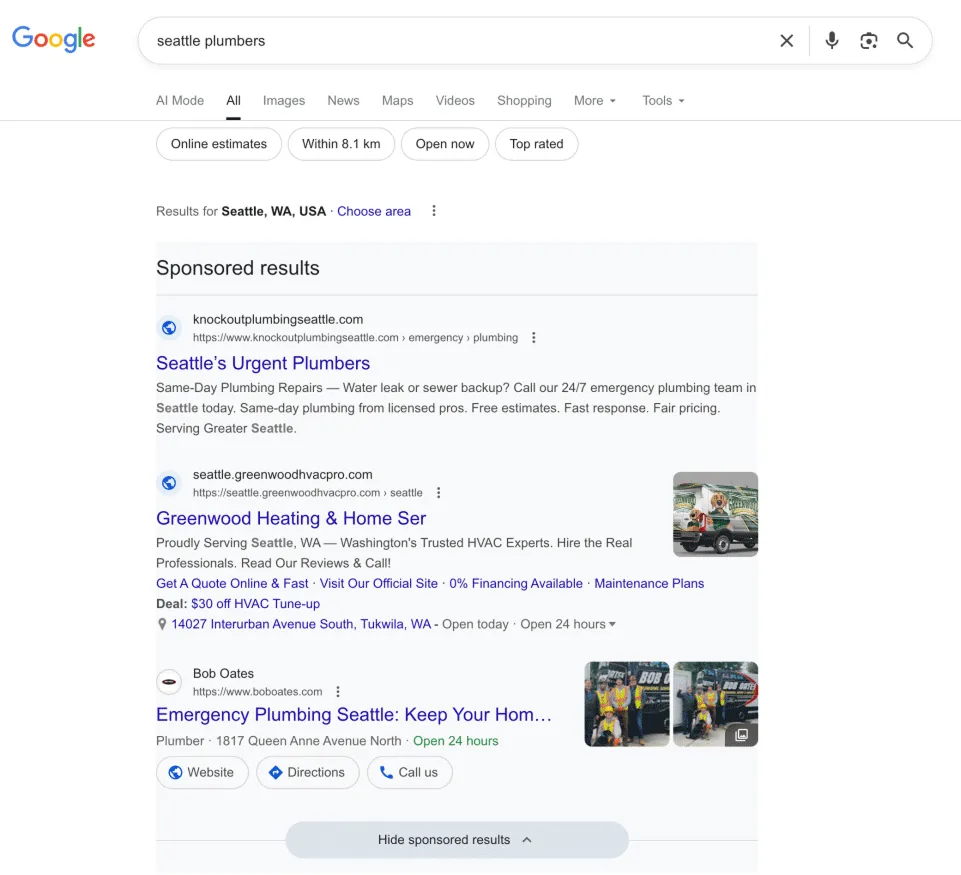
Google tests shaded backgrounds to differentiate Search Ads
Google is experimenting with subtle background shading behind search ads, sponsored results, and local pack listings. The change aims to make paid and organic results easier to tell apart, improving clarity in the search experience. The test isn’t visible to all users yet.
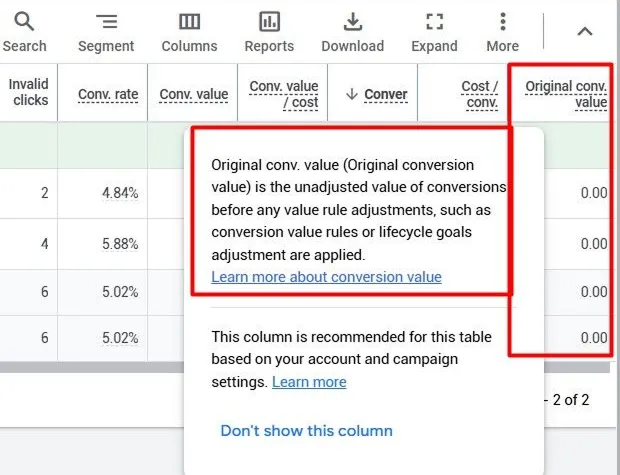
New “Original Conversion Value” metric is being tested
Google Ads appears to be introducing a new metric called Original Conversion Value, which shows the raw conversion value before any automated adjustments, value rules, or machine learning tweaks are applied. The metric offers a clearer, “uncooked” view of performance data. Advertisers say it could help reduce reporting confusion and make it easier to diagnose real shifts in results, especially when value rules are in play.
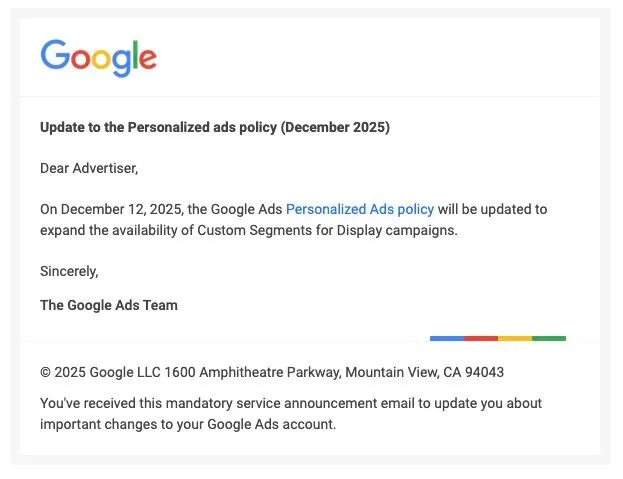
Google expands access to Custom Segments
Google is updating its Personalized Ads policy on December 12, allowing more Display campaigns that were previously restricted to use Custom Segments. Most advertisers already had access to this feature, so the change mainly affects campaigns blocked under stricter policy rules. It could give these advertisers better targeting options, including intent- or interest-based audiences, though questions remain about how this applies to sensitive categories and whether Demand Gen is included.
More Message Asset options, including Facebook Messenger
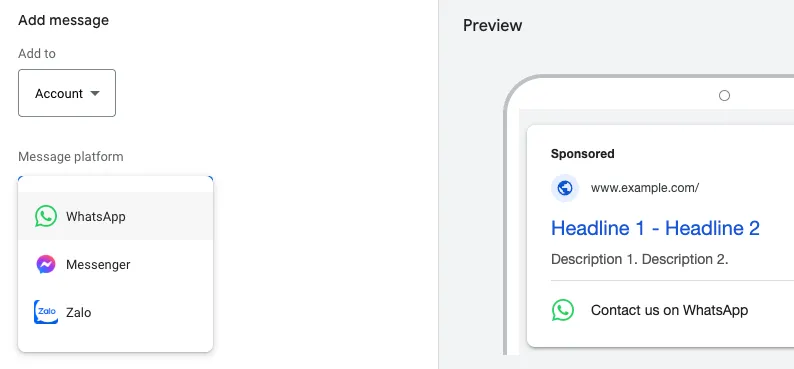
Google Ads has expanded message asset options for Search and Performance Max campaigns. Advertisers can now direct users to WhatsApp, Zalo and the newly added Facebook Messenger when setting up message extensions. This update was first noticed by Aleksejus Podpruginas.
Nano Banana Pro for more advanced AI image generation
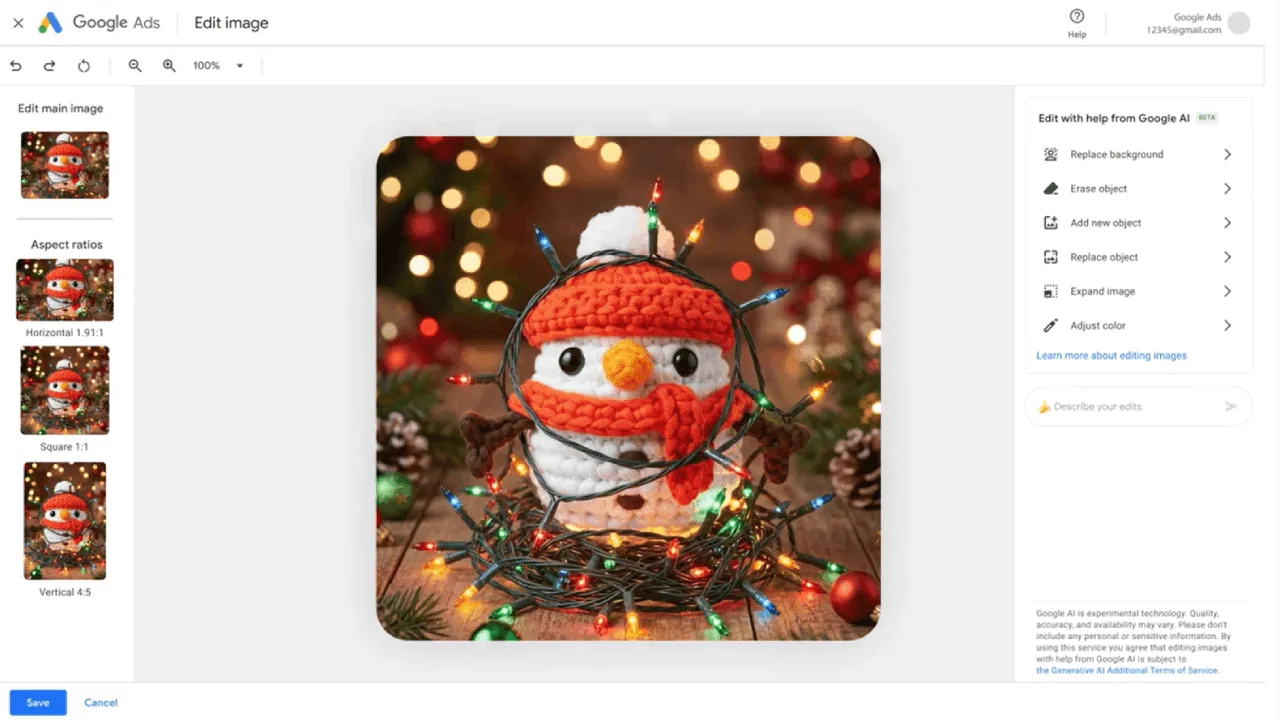
Google Ads has introduced Nano Banana Pro, a new AI image-generation model that offers more accurate brand alignment and stronger creative control. Advertisers can fine-tune lighting, camera angles, background removal and color styling, while generating high-resolution images up to 1024×1024 pixels with up to five products in one scene. The feature is rolling out globally in Asset Studio.
Google experiments with Brand Targeting in Standard Shopping Campaigns
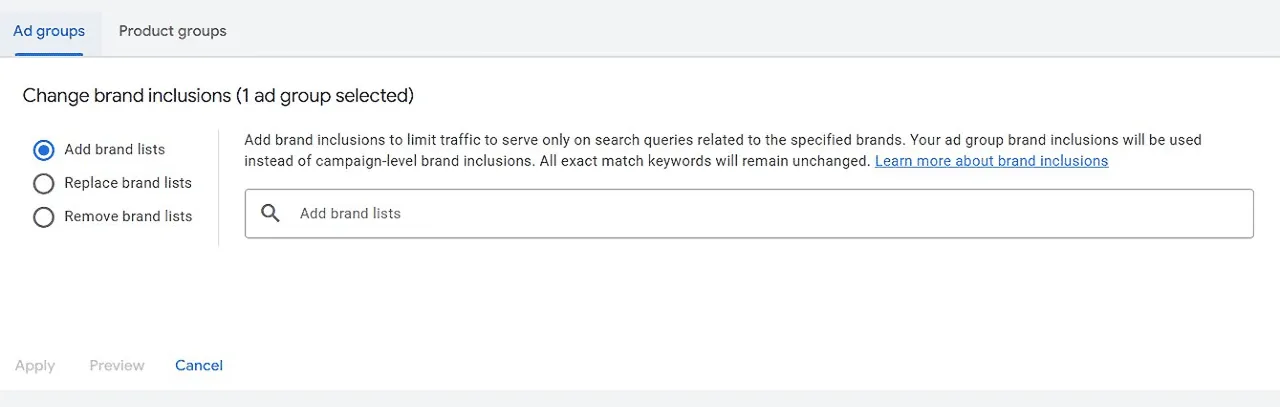
Google seems to be testing a new brand-targeting option within standard Shopping campaigns, something that until now was only possible in Performance Max or AI Max. The setting appears inside product groups, but early tests suggest it isn’t active yet. If Google finalizes the feature, advertisers could run brand-specific Shopping campaigns much more easily, without complicated structures or extra scripts.
Microsoft Ads
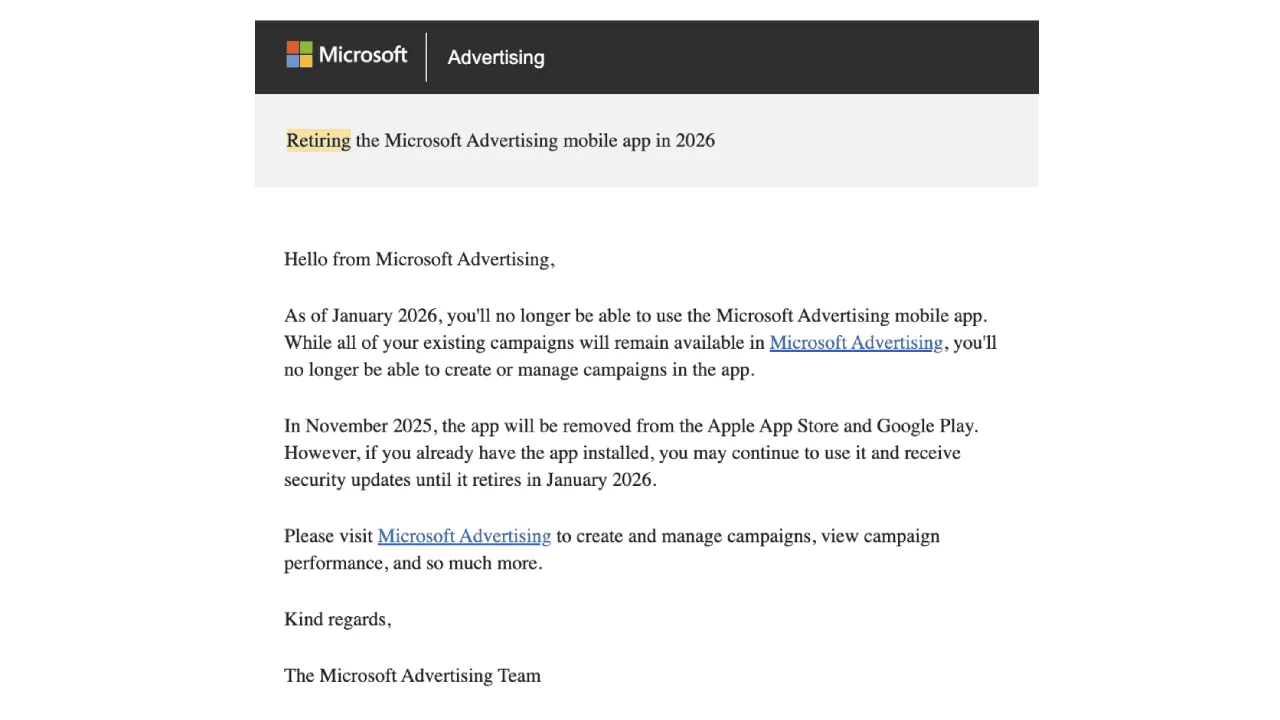
Microsoft Advertising mobile app will be retired in January 2026
Microsoft has announced that the Microsoft Advertising mobile app will be discontinued in January 2026. After this date, advertisers won’t be able to manage campaigns through the app. Microsoft is directing users to the web platform instead, which provides full access to all campaign features, though no direct mobile replacement has been offered.
Dotidot
Product Analytics: Clear product-level insights for smarter PPC decisions
Many performance issues in Shopping and PMax campaigns come from not knowing which products drive results — and which ones quietly drain your budget. The solution is simple: start using product-level reporting. Instead of manually exporting data and building your own dashboards, you can let Product Analytics do the heavy lifting for you.
Product Analytics shows you:
Where your budget is really being spent
Which products are wasting money
Which items deserve more visibility
How to balance your product portfolio for stronger results
Product Analytics turns messy product and campaign data into actionable insights, helping you optimize faster and more confidently. Try it for free and uncover the hidden patterns in your own campaigns.
Free webinar
Peak season is coming. Don’t screw it up
Get ready for the biggest shopping days of the year. October 20, 10:00 AM (UTC+2).