PPC Signals: Performance marketing updates – February 2026
Stay up to date with the latest PPC and performance marketing updates from Google, Meta, Microsoft, and more. Explore key ad platform changes, new features, and strategic insights for February 2026.
Marek Turnhofer
March 5, 2026
Show table of contents
Google
Multi-party approval required for sensitive account changes
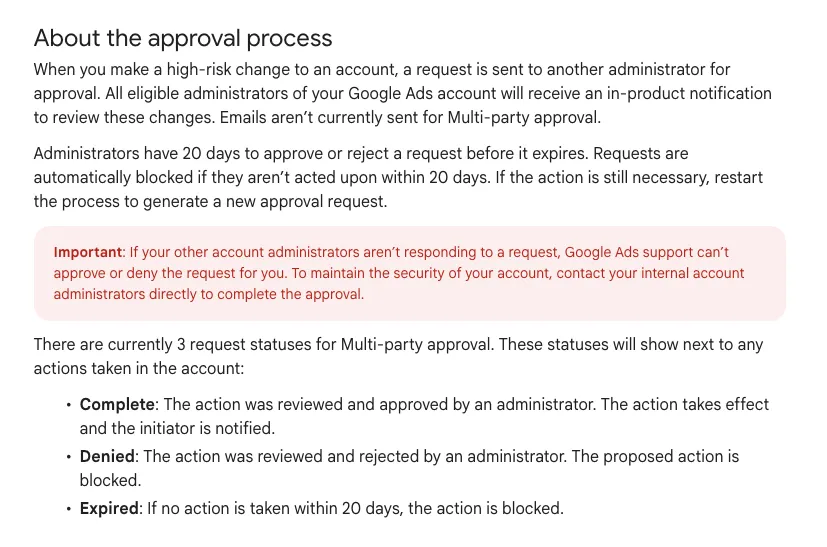
Google Ads has introduced Multi-party approval, a new security feature designed to protect accounts from unauthorized changes. Actions such as adding or removing users or modifying roles now require approval from a second administrator before they take effect.
When a request is created, eligible admins receive an in-product notification and have up to 20 days to approve or deny it. Requests that are not reviewed expire automatically. The approval workflow can be managed in the Access and security section of the Admin menu.
Google Ads may automatically re-enable paused keywords
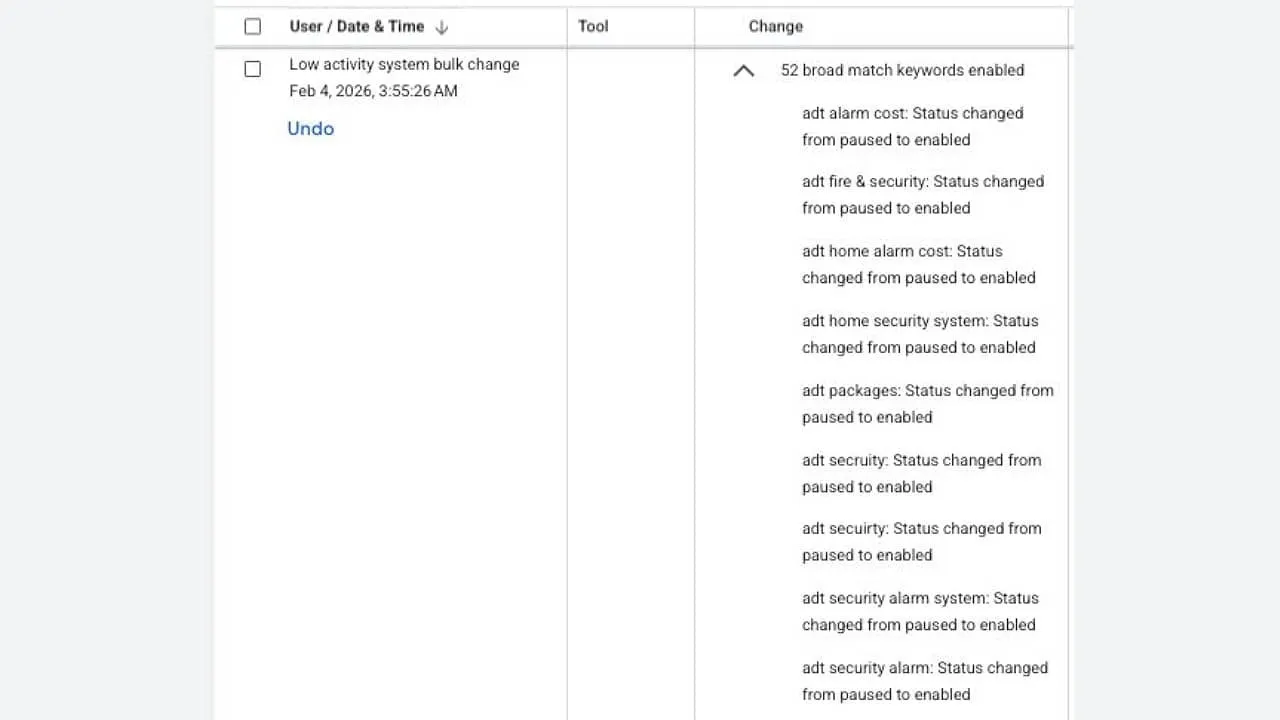
Google Ads may be automatically re-enabling paused keywords through its Low activity system bulk changes tool. Advertisers have reported seeing keywords switched back on in the account activity log as part of automated system updates. The behavior, first spotted by Francesco Cifardi, could have implications for campaign performance and budgets if previously paused keywords start serving again.
Lookalike segments move to suggestion mode in Demand Gen
Google Ads is changing how Lookalike segments work in Demand Gen campaigns. Instead of acting as a strict targeting constraint, Lookalike audiences will now guide delivery in a suggestion mode, giving Google more flexibility to expand reach beyond closely matched users. Advertisers who want to keep the previous behavior can opt out and continue using Lookalike segments as a targeting constraint.
Google Ads reveals PMAX placements and search partner data
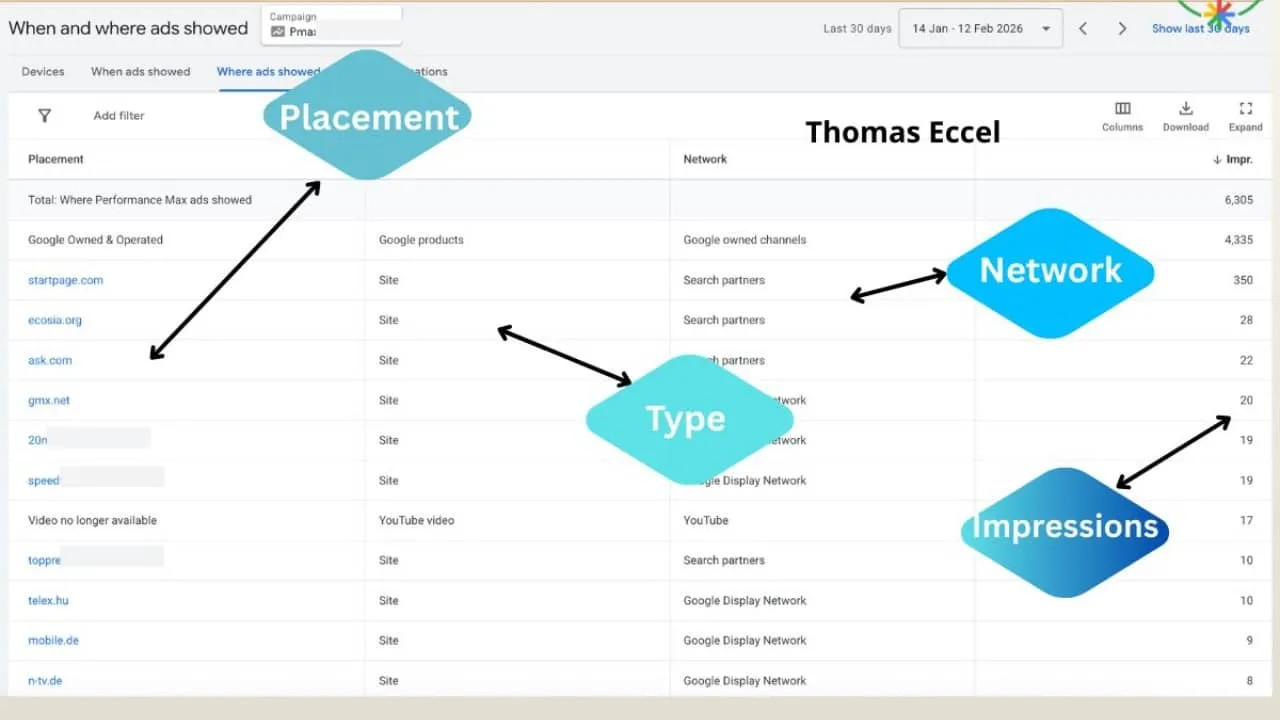
Discovered by Thomas Eccel
Google Ads has added more transparency to Performance Max reporting. Advertisers can now see placements and search partners in the “When and where ads showed” report, revealing where PMAX ads are actually served. The update gives marketers better insight into the composition of Google’s Search Partner Network and overall campaign distribution.
Microsoft Ads
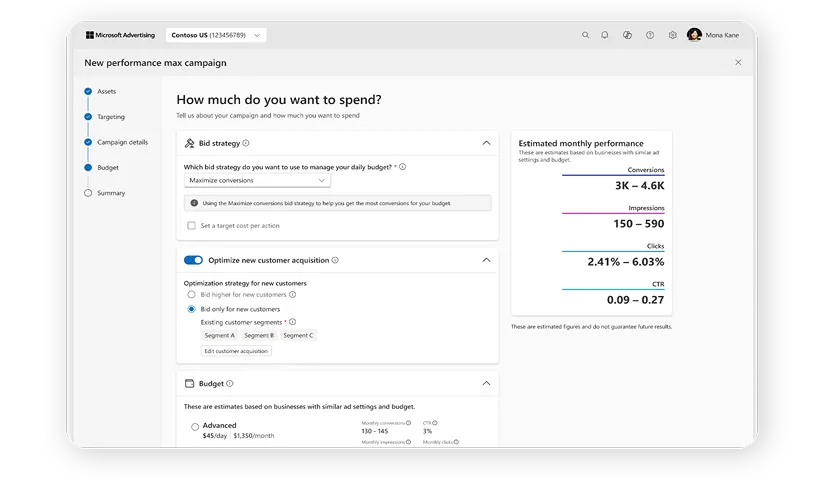
New customer acquisition goals expanded in Performance Max
Microsoft Advertising has made New Customer Acquisition goals in Performance Max generally available worldwide. Advertisers optimizing for purchase conversions can now prioritize bids for new customers, helping shift budget toward incremental growth rather than existing buyers. The feature was previously in open beta and is especially useful for ecommerce brands focused on prospecting.
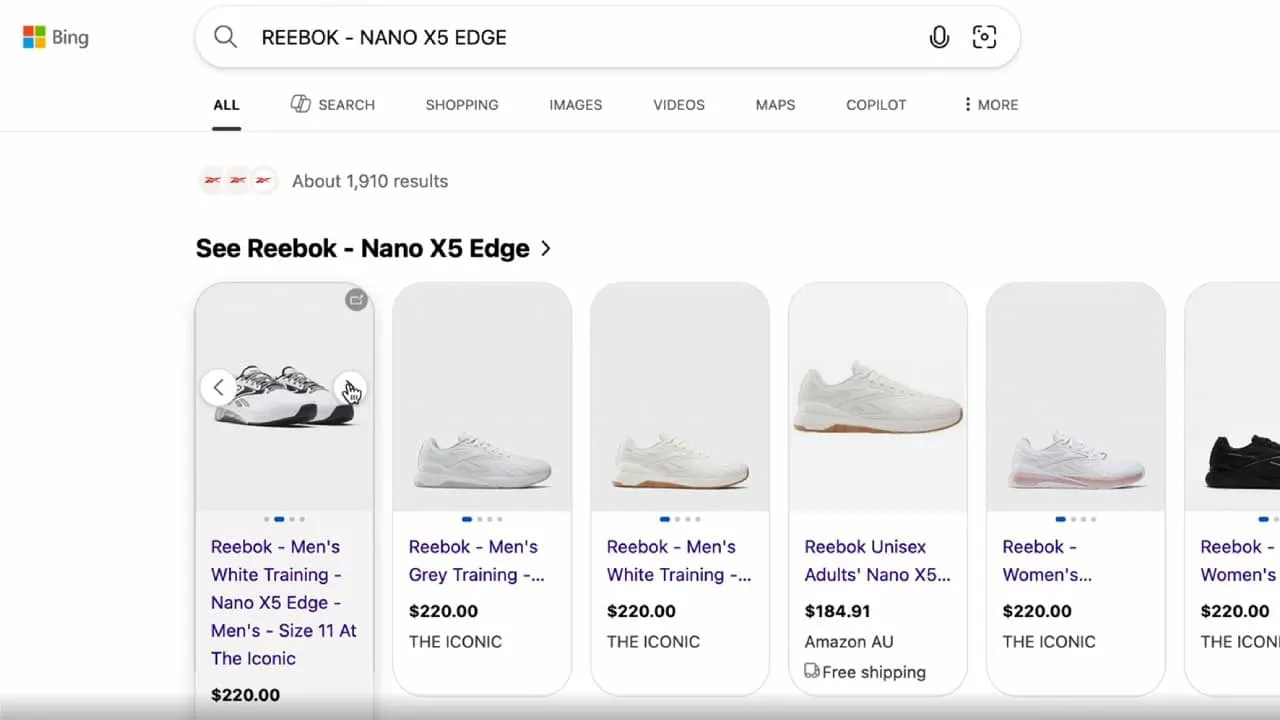
Multi-image Shopping Ads introduced
Microsoft Advertising has launched multi-image ads for Shopping campaigns in Bing search results. The new format allows advertisers to display multiple product images within a single ad, giving shoppers a richer preview before clicking. Additional images can be added through the additional_image_link attribute in the product feed, with support for up to 10 images.
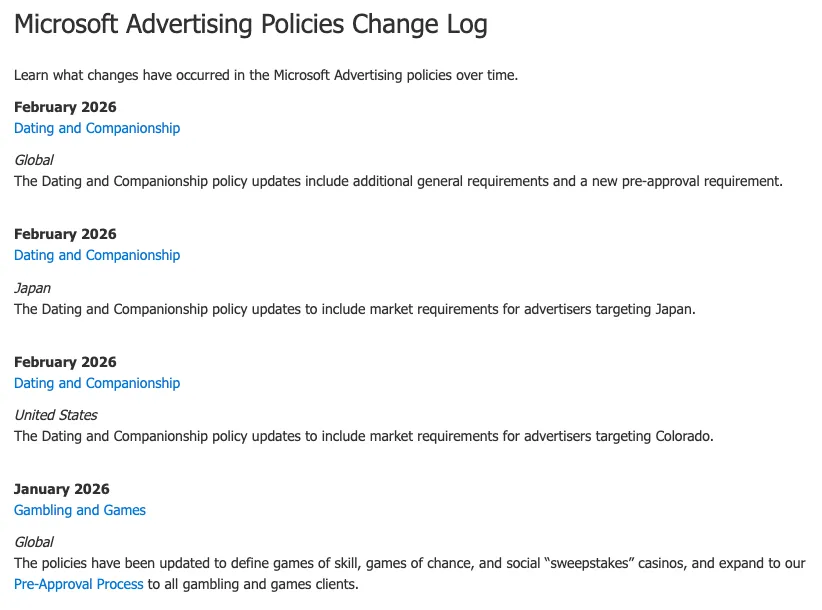
Updates to dating and companionship advertising policy
Microsoft Advertising has updated its Dating and Companionship advertising policy, introducing a global pre-approval requirement for advertisers starting February 2026. The update also adds region-specific rules, including new compliance requirements for advertisers targeting Japan and for services promoted in Colorado (U.S.), which may affect campaign approval and eligibility.
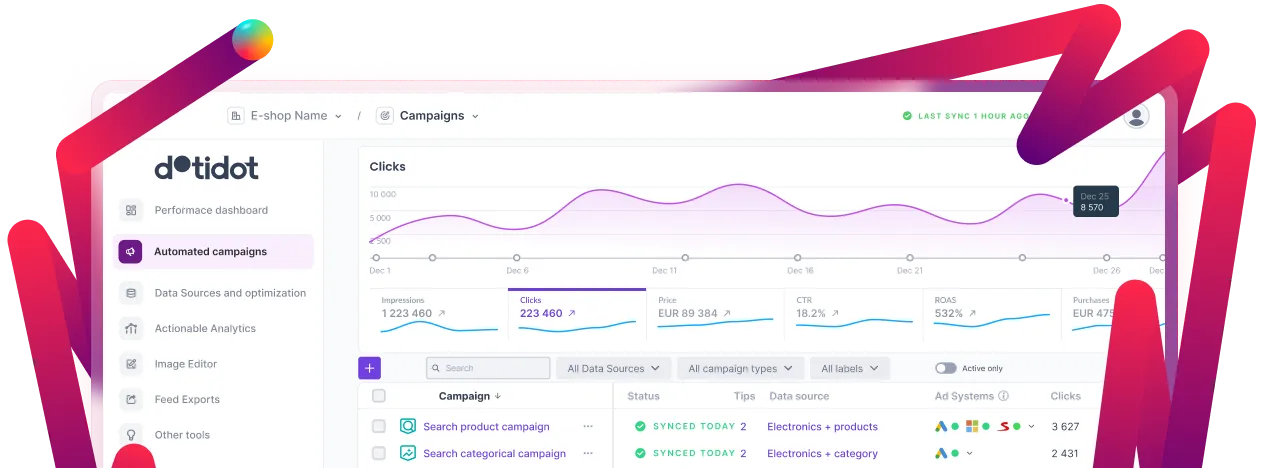
Product Analytics will completely change the game in your favor
Dotidot has made its Product Analytics feature available for free as part of the new Dotidot Tools offering. The tool helps marketers understand how their products and advertising budget perform across channels by highlighting top performers, underperforming items, and wasted spend. With visual reports and product-level insights, advertisers can quickly identify opportunities to improve campaign efficiency and product visibility.
Free webinar
Peak season is coming. Don’t screw it up
Get ready for the biggest shopping days of the year. October 20, 10:00 AM (UTC+2).