Sales performance metrics: Analyze products that drive growth
Total revenue and campaign ROAS tell only part of the story—without product-level analysis, you risk scaling losers and starving winners. This guide breaks down the essential sales performance metrics for comparing products, spotting trends, and identifying which items actually fuel growth. Learn how to build dashboards that turn raw data into profitable decisions.
Dotidot Editors
March 16, 2026
Show table of contents
Why revenue alone is misleading
Looking at total revenue or overall campaign ROAS gives you a snapshot, but it hides critical details. A strong revenue number might come from just a handful of products while hundreds of others drain your budget without delivering results.
When you focus only on aggregate metrics, you miss the opportunity to identify which items deserve more investment and which ones need to be removed or restructured. Products with high revenue but low margins can actually hurt your bottom line, while lower-volume items with strong profitability get overlooked.
Importance of product-level analysis
Product-level analysis lets you see beyond campaign averages and understand performance at the most granular level. This approach reveals patterns that aggregate data simply cannot show.
By tracking sales performance at the product level, you can allocate budgets more effectively, adjust pricing strategies, and make informed decisions about inventory and promotions. Using product segmentation helps you group items by performance tiers and apply different strategies to each segment.
Key metrics for product comparison
To compare products effectively, you need to track the right sales performance metrics. Here are the essential ones:
Revenue per product: Total sales generated by each item
Units sold: Volume indicator that helps identify demand patterns
Conversion rate: Percentage of views or clicks that result in purchases
Cost per acquisition: How much you spend to sell each unit
Profit margin: Revenue minus costs, showing true profitability
Return rate: Products with high returns may inflate revenue but hurt margins
ROAS per product: Return on ad spend at the individual item level
Tip: Combine ROAS with profit margin data to get a complete picture. A product with high ROAS but razor-thin margins might not be worth scaling.
Identifying Growth Drivers
Growth drivers are products that consistently perform well across multiple metrics. They have strong conversion rates, healthy margins, and steady demand. These items deserve increased visibility and budget allocation.
Look for products that show upward trends in both volume and profitability. These are your candidates for scaling. Consider creating dedicated campaigns or increasing bids for these winners to maximize their potential.
Growth drivers often share common characteristics. Analyze them to understand what makes them successful, then apply those insights to other products in your catalog.
Spotting underperformers
Underperformers consume budget without delivering proportional returns. Identifying them early prevents wasted spend and improves overall campaign efficiency.
Products that receive many impressions or clicks but rarely convert are typical underperformers. Similarly, items with high acquisition costs relative to their margins should be flagged for review. Learn more about handling these issues with strategies for Zombie products that generate zero clicks but still consume budget.
High ad spend, low conversions
Declining sales over multiple periods
Below-average ROAS compared to category benchmarks
High return rates that erode profitability
Trend and seasonality insights
Tracking sales performance over time reveals seasonal patterns and emerging trends. Some products spike during specific periods while others maintain steady year-round demand.
Use historical data to anticipate demand fluctuations. This allows you to adjust inventory levels, plan promotional campaigns, and reallocate budgets before peak seasons arrive.
Week-over-week and month-over-month comparisons help you distinguish between temporary dips and sustained decline. Products showing consistent downward trends may need intervention or removal from active campaigns.
Product profitability analysis
Revenue tells you how much money comes in, but profitability tells you how much you actually keep. Factor in product costs, shipping, returns, and advertising expenses to calculate true profit per item.
Some high-revenue products become unprofitable once you account for all costs. Conversely, lower-priced items with strong margins can be hidden profit centers worth promoting more aggressively.
Tip: Calculate profit margin at the product level by including cost of goods, fulfillment costs, and advertising spend. This gives you a POAS (Profit on Ad Spend) perspective instead of just ROAS.
Building a profitability framework
Segment products into profitability tiers: high margin, moderate margin, and low margin. Assign different bidding strategies and budget allocations to each tier based on their contribution to overall profit.
Step 1 for fixing it: Product-level reporting
The fix is simple. You need to start doing product-level reporting. Which means downloading product data from your ad system and building reports around it. Or you can…
Introducing Product Analytics
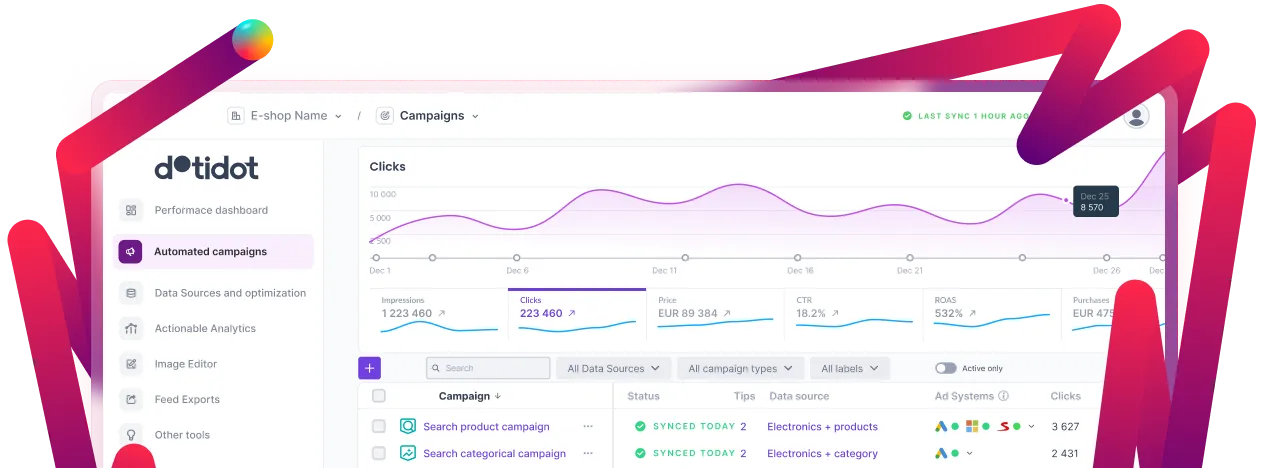
That is exactly why we built Product Analytics, a tool that turns your product and campaign data into clear insights.
Product Analytics will completely change the game in your favor
It shows you:
Where your budget really goes
Which products waste money
Which items deserve more visibility
How to balance your portfolio for better results
Product Analytics gives you the data you need to act, not just analyze. If you want to see where your own campaigns hide these inefficiencies, try Product Analytics for free and uncover insights that help you optimize smarter.
Conclusion
Tracking sales performance metrics at the product level transforms how you manage campaigns and allocate resources. By moving beyond aggregate numbers, you gain visibility into what truly drives growth and what holds you back. Build dashboards that surface these insights regularly, act on the data consistently, and watch your profitability improve as a result.
Free webinar
Peak season is coming. Don’t screw it up
Get ready for the biggest shopping days of the year. October 20, 10:00 AM (UTC+2).