LinkedIn Ads command the highest CPCs in digital advertising, yet many B2B marketers either dismiss the platform too quickly or overspend without a clear strategy. This guide cuts through the noise with real cost benchmarks, format comparisons, and an honest assessment of when LinkedIn advertising justifies its premium — and when your budget is better spent elsewhere.
Why LinkedIn Ads Are Different
LinkedIn advertising operates in a fundamentally different ecosystem than other paid media channels. Unlike Google Ads, where you capture existing demand through search intent, LinkedIn lets you target professionals based on their job title, company size, industry, and seniority level. This precision comes at a premium, but for B2B marketers selling high-ticket products or services, the ability to reach decision-makers directly can justify the cost.
The platform's audience is actively engaged in professional content consumption, making it ideal for thought leadership, lead generation, and account-based marketing strategies. However, this professional context also means users are not in a buying mindset — they're networking, learning, and building their careers. Understanding this distinction is crucial for campaign success.
Ad Formats Explained
LinkedIn offers several ad formats, each suited to different objectives and stages of the buyer journey.
Sponsored Content
These native ads appear directly in the LinkedIn feed and come in single image, video, carousel, and document formats. Sponsored content is the most versatile format and typically generates the highest engagement rates. Single image ads work well for awareness and lead generation, while carousels excel at storytelling and showcasing multiple products or features.
Sponsored Messaging
Message Ads deliver personalized messages directly to LinkedIn inboxes. While open rates can be impressive (averaging 30-50%), this format requires careful execution to avoid feeling intrusive. Conversation Ads add interactive elements with multiple CTAs, letting recipients choose their own path.
Text Ads and Dynamic Ads
Text Ads are the simplest format — small ads appearing in the right column or top banner. They're cheaper but generate significantly lower engagement. Dynamic Ads personalize content using profile data, making them effective for follower campaigns or spotlight ads promoting specific content.
Lead Gen Forms
LinkedIn's native Lead Gen Forms remove friction by auto-populating user data. Conversion rates are typically 2-3x higher than landing page forms, though lead quality can vary. These forms can be attached to sponsored content or message ads.
Audience Targeting Capabilities
LinkedIn's targeting is where the platform truly differentiates itself. Unlike platforms where targeting relies heavily on inferred interests, LinkedIn uses self-declared professional data.
Job title targeting lets you reach specific roles like \VP of Marketing\ or \IT Director\
Company size filtering enables targeting enterprises versus SMBs
Industry targeting helps focus on relevant verticals
Seniority levels distinguish between entry-level employees and C-suite executives
Skills and group membership reveal professional interests and expertise
Matched Audiences allow retargeting website visitors and uploading contact lists
For account-based marketing, LinkedIn's ability to target specific companies by name makes it unmatched for enterprise B2B campaigns. You can layer these attributes to create highly specific audiences — for example, targeting CFOs at SaaS companies with 200-500 employees.
Tip: Start with broader targeting and let LinkedIn's algorithm optimize delivery before narrowing your audience. Overly restrictive targeting can lead to inflated CPCs and limited reach.
What LinkedIn Ads Actually Cost
LinkedIn advertising is expensive — there's no way around it. Here are realistic benchmarks based on current market data:
- Average CPC ranges from $5 to $12 for most B2B campaigns
- Competitive industries like SaaS, finance, and enterprise software often see CPCs of $10-$20+
- CPM typically falls between $30-$80, depending on audience and format
- Cost per lead averages $50-$200, with significant variation based on offer and targeting
- Minimum daily budget is $10 per campaign
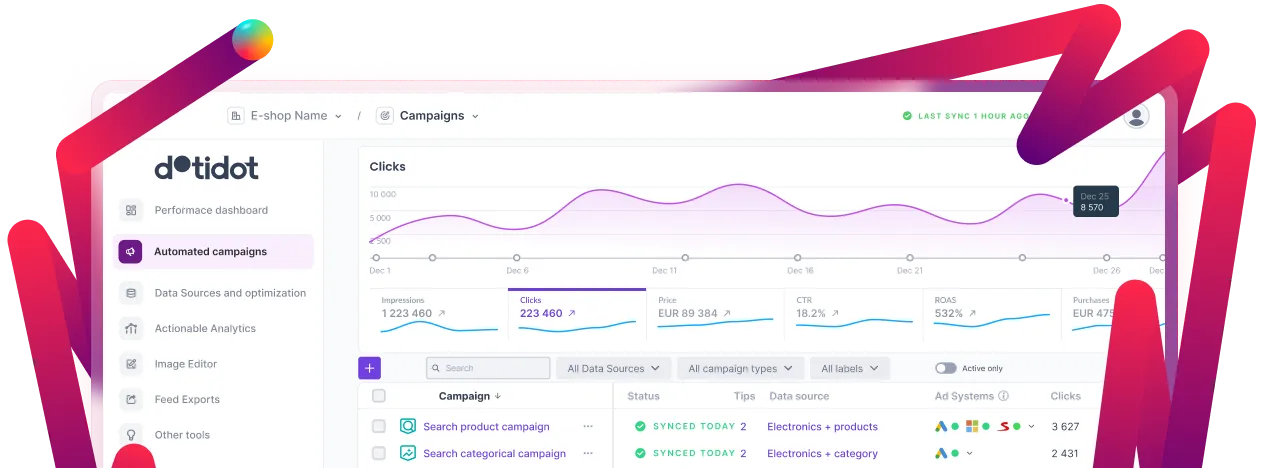
For context, Google Ads B2B search campaigns might have comparable or higher CPCs for competitive keywords, but typically offer stronger conversion intent. If you're exploring alternatives or want to compare with other channels, understanding PPC automation strategies can help optimize your overall paid media mix.
Factors That Influence LinkedIn Ads Cost
- Audience size affects competition — smaller, highly targeted audiences cost more
- Bidding strategy matters — automated bidding often spends faster
- Relevance scores impact delivery and cost efficiency
- Seasonality plays a role — Q4 and January see higher costs
- Ad format choice influences pricing — message ads cost more per send
What Works: Format and Creative Patterns
Successful LinkedIn advertising follows specific patterns that align with how professionals consume content on the platform.
Creative Best Practices
Native-looking content outperforms polished corporate ads. Images featuring people, especially authentic workplace photos, generate higher engagement than stock photography or heavy branding.
Video content under 30 seconds performs best for awareness, while educational videos up to 90 seconds work well for consideration stages. Always add captions — most LinkedIn users scroll with sound off.
Copy should lead with value and speak directly to pain points. Questions perform well as opening hooks. Avoid jargon and focus on outcomes rather than features.
High-Performing Campaign Types
Content promotion campaigns offering genuine value (guides, reports, webinars) typically deliver the best cost-per-lead
Retargeting campaigns targeting website visitors or engaged users show strong ROI
Thought leadership campaigns building brand awareness among decision-makers
Event promotion for webinars or conferences leveraging LinkedIn's professional context
What Doesn't Work
- Understanding common failures saves budget and frustration.
- Direct sales pitches in cold campaigns rarely convert. LinkedIn users aren't ready to buy from unknown brands immediately.
- Generic corporate messaging gets scrolled past. \We're a leading provider of...\ headlines fail to capture attention.
- Overly narrow audiences drive costs up and limit learning. Targeting fewer than 50,000 users often proves problematic.
- Message Ads without personalization feel spammy and damage brand perception.
- Landing pages that don't match ad messaging create disconnect and hurt conversions. Investing in PPC landing pages that align with your LinkedIn campaigns is essential for maximizing ROI.
- Treating LinkedIn like Facebook or Google — same creative, same approach — ignores platform-specific user behavior.
Tip: Test Lead Gen Forms against external landing pages. While forms typically convert better, landing page leads often show higher quality because they require more effort to complete.
Measurement and Attribution Challenges
LinkedIn attribution presents unique challenges for B2B marketers accustomed to direct-response measurement.
B2B buying cycles are long — often 6-12 months. A click today might not convert for quarters, making immediate ROI measurement misleading.
LinkedIn's conversion tracking has limitations. Cross-device tracking is imperfect, and many B2B conversions happen offline or through sales conversations.
Multi-touch attribution becomes essential. LinkedIn often influences early-stage awareness even when other channels get credit for conversions. Implementing proper UTM parameters and connecting LinkedIn data to your CRM helps reveal true impact.
View-through conversions can inflate perceived performance. LinkedIn counts conversions within a 90-day view window by default — adjust this setting for more conservative reporting.
LinkedIn vs Google for B2B
Both platforms serve B2B marketers but address different parts of the funnel.
Google Ads captures existing demand. Users searching for \enterprise CRM software\ have clear intent. CPCs might be similar or higher than LinkedIn, but conversion rates typically exceed LinkedIn due to search intent.
LinkedIn creates demand. You're reaching potential buyers before they're actively searching. This makes LinkedIn ideal for new